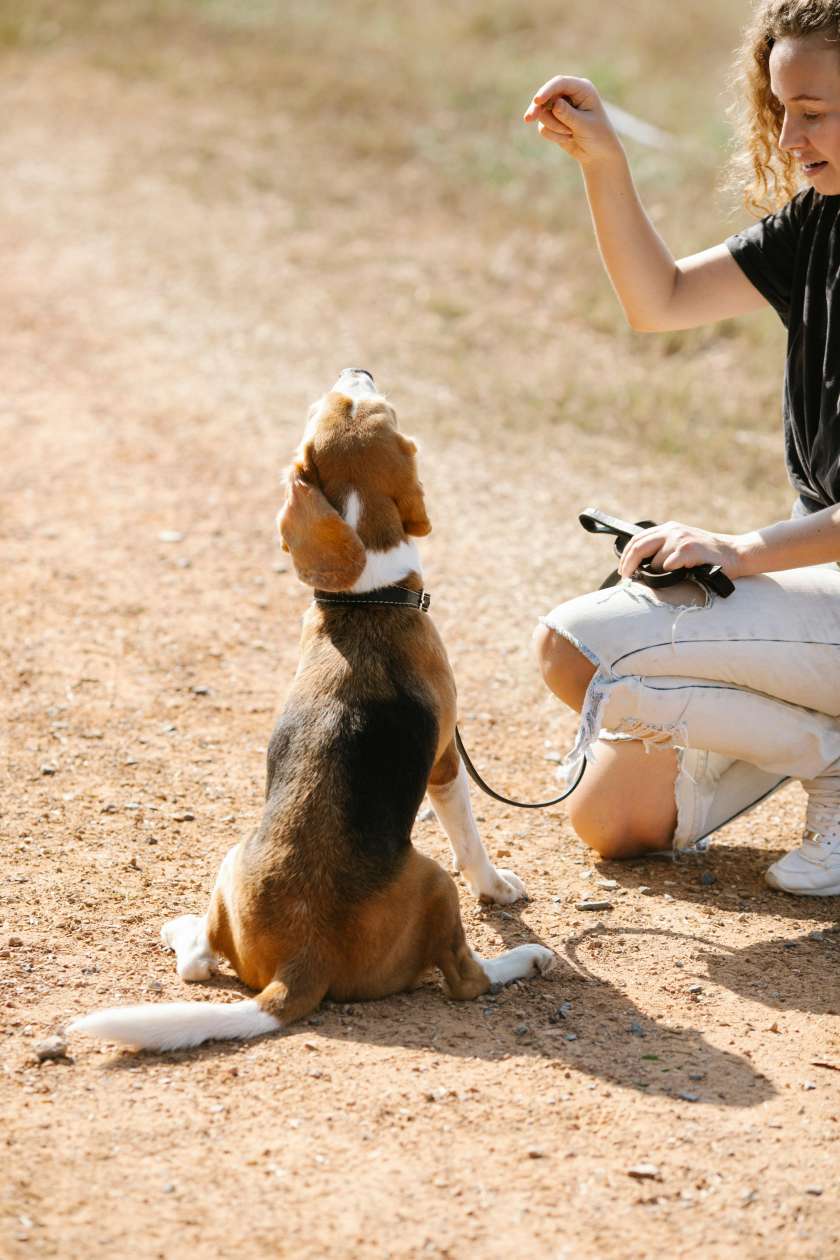
There’s something special about turning your love for dogs into a career that genuinely changes lives. Becoming a dog trainer isn’t just about teaching commands, it’s about bridging communication gaps between species, solving behavioral puzzles, and witnessing those magical moments when everything clicks. This profession blends hands-on work with dogs, people skills, and entrepreneurial spirit in ways that keep each day interesting and unpredictable. You might find yourself working with a nervous rescue dog for one hour and coaching an enthusiastic puppy parent the next. The path to becoming a professional trainer demands commitment and continuous growth, but there’s real satisfaction in transforming chaos into calm and frustration into joy for both ends of the leash.
Understanding the Dog Training Profession
Dog training has come a long way from the harsh, outdated methods that dominated decades ago. Today’s professional trainers operate more like behavioral consultants and educators, applying science-based techniques rooted in positive reinforcement and an understanding of how dogs actually learn. The field encompasses everything from basic puppy socialization classes to complex behavior modification work addressing aggression or severe anxiety. You’ll need to get comfortable reading subtle shifts in canine body language, understanding breed tendencies, and recognizing the psychological dynamics that shape how both dogs and their humans respond to training.
Essential Skills and Knowledge Base
Loving dogs is where it starts, but it certainly isn’t where it ends. Effective trainers master the mechanics of how animals learn, the principles of operant and classical conditioning, the critical importance of timing, and how different reinforcement schedules create lasting behavioral changes. You’ll develop an almost intuitive ability to read what dogs are communicating through their posture, tail position, ear placement, and dozens of other subtle signals that reveal their emotional state. Here’s something many newcomers don’t expect: your human communication skills matter just as much as your dog skills.
Educational Pathways and Certification Options
Dog training remains largely unregulated, which means technically anyone can hang out a shingle and call themselves a trainer. That’s precisely why investing in solid education and professional certification sets up serious trainers apart from hobbyists. Quality training programs offer structured learning that covers everything from learning theory and practical techniques to business operations and hands-on experience with diverse dogs. Many aspiring trainers who need to build foundational expertise begin with dog training academy that offer both theoretical knowledge and practical application opportunities, often including mentorship components with experienced professionals. Professional certification through organizations like the Certification Council for Professional Dog Trainers demonstrates your commitment to evidence-based methods and industry standards. These certifications aren’t just rubber stamps, they involve rigorous exams testing your grasp of learning theory, training techniques, and ethical practices. Education doesn’t stop after you earn your initial credentials either. The field keeps evolving as new research reshapes our understanding of canine cognition and what actually works in training. Attending workshops, industry conferences, and specialized seminars keeps your skills sharp, expands your professional network, and lets you develop expertise in niche areas like scent work, competition training, or complex aggression cases. Think of education as an ongoing investment that pays dividends through better client outcomes, increased confidence in handling tough cases, and a reputation that attracts the clients you want to work with.
Gaining Practical Experience
You can read every training book ever written, but nothing replaces actual experience working with real dogs in real situations. The best way to develop genuine expertise is working alongside established trainers through apprenticeships, internships, or assistant positions at facilities with solid reputations. Volunteering at animal shelters throws you into the deep end in the best way possible, you’ll encounter dogs with behavioral baggage, unknown histories, and challenging temperaments that stretch your adaptability and problem-solving skills. Working with your own dogs provides a safe practice environment, but real growth comes from handling different breeds, ages, and personalities that respond in unexpected ways.
Building Your Dog Training Business
Technical training skills will only take you so far if nobody knows you exist or understands what makes your services worth choosing. Building a thriving training business requires strategic thinking about your brand, target market, and how you’ll stand out in a crowded field. Defining your niche helps potential clients understand exactly what you offer, maybe you specialize in fearful rescues, high-energy working breeds, puppy foundations, or competition preparation. A professional website serves as your digital storefront, showcasing your services, pricing transparency, client testimonials, and educational content that demonstrates your expertise and approach.
Conclusion
Turning your passion for dogs into a professional training career offers something increasingly rare in today’s work world: the chance to do meaningful work that aligns with your values while building something that’s genuinely yours. Success requires more than just loving dogs, it demands ongoing education, dedication to gaining diverse practical experience, and the business savvy to establish yourself in a competitive market. By investing in comprehensive training programs, pursuing professional certification, working hands-on with varied dogs and behavioral challenges, and developing smart business strategies, you can build a career that honors both your passion for animals and your professional goals. The journey tests your patience and pushes you to keep learning, but there’s something profoundly rewarding about helping dogs and their families move from frustration to understanding, from conflict to connection, from problems to possibilities.