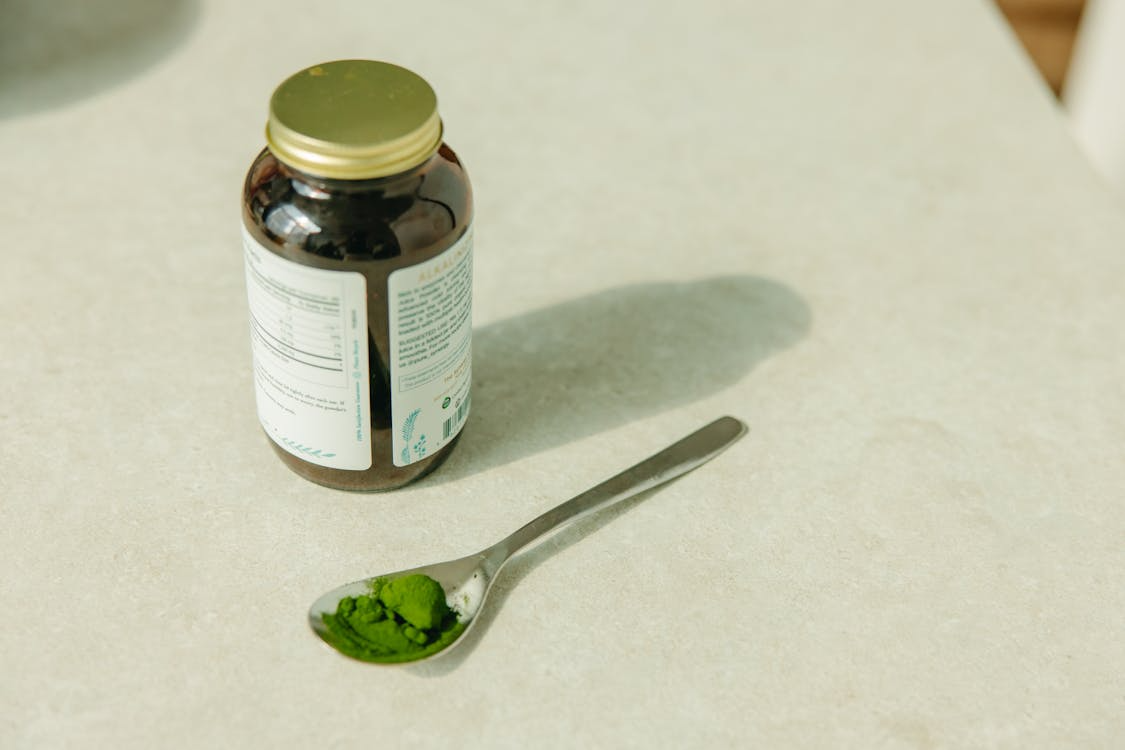
Maca powder has taken the health and wellness world by storm, and there’s good reason for all the buzz. This ancient superfood comes from the maca root, a cruciferous vegetable that’s been thriving in the harsh, high-altitude regions of the Peruvian Andes for over 2, 000 years. What makes this plant remarkable isn’t just its impressive nutritional profile, but where it grows. We’re talking about elevations exceeding 13, 000 feet, where maca plants endure extreme temperatures, intense sunlight, and relentless winds that would devastate most crops.
What Is Maca Powder and Where Does It Come From
The process of creating maca powder starts with the Lepidium meyenii plant, which shares the same family tree as broccoli, cauliflower, and kale. The maca root itself looks quite similar to a small turnip or radish, typically measuring two to three inches across. Here’s something interesting; maca roots come in several colors including yellow, red, and black, and each variety offers a slightly different nutritional punch. The cultivation of maca is almost exclusively confined to the central Peruvian highlands, where a unique combination of climate, soil, and altitude creates conditions you can’t easily replicate anywhere else on Earth.
Nutritional Profile and Active Compounds
When you look at what’s inside maca powder, it’s easy to see why it’s earned superfood status. You’ll find substantial amounts of carbohydrates, protein, fiber, and a range of essential vitamins and minerals working together. A typical serving delivers significant quantities of vitamin C, copper, iron, potassium, and vitamin B6, along with smaller but meaningful amounts of manganese, calcium, and various other micronutrients your body needs to function optimally. With approximately 10-14% protein by weight, maca provides a valuable plant-based protein source that includes all essential amino acids, though in varying proportions.
Evidence-Based Health Benefits
Scientific research is starting to catch up with what traditional cultures have known for centuries about maca. Multiple clinical trials suggest that regular maca consumption might help improve endurance and reduce fatigue, whether you’re an athlete or someone who spends most of the day at a desk. The effects may be related to how maca influences mitochondrial function and energy metabolism at the cellular level. There’s also promising research around sexual health and fertility for both men and women, with studies indicating improvements in libido, sperm quality, and reproductive hormone balance after several weeks to months of consistent use.
How to Use Maca Powder in Your Daily Routine
Getting maca powder into your diet is surprisingly easy, thanks to its slightly nutty, earthy flavor that plays well with all sorts of foods and beverages. The most popular approach is blending one to three teaspoons into smoothies along with your favorite fruits, vegetables, nut butters, and plant-based milks for a nutritious breakfast or post-workout recovery drink. You can also stir it into oatmeal, yogurt, or chia pudding to boost the nutritional value of your morning meal without dramatically changing the taste or texture. Bakers often experiment by adding maca powder to energy balls, protein bars, muffins, and cookies, though it’s worth noting that some of the beneficial compounds might be sensitive to high heat, so raw or minimally heated preparations could be preferable.
Dosage Recommendations and Safety Considerations
Most research studies and traditional use patterns point toward a daily maca powder intake ranging from 1. 5 to 5 grams, roughly one to three teaspoons, depending on what you’re hoping to achieve. Beginning with a lower dose and gradually increasing over one to two weeks is smart because it helps minimize potential digestive discomfort and lets you gauge how your body responds to this powerful adaptogen. Maca is generally considered safe for most people when consumed in food amounts, with centuries of traditional use supporting its safety profile.
Selecting and Storing High-Quality Maca Powder
Choosing high-quality maca powder matters if you want to receive maximum benefits while minimizing exposure to contaminants, pesticides, or adulterated products that sometimes show up in lower-grade options. Products that specify Peruvian origin are your best bet, since maca grown in its native habitat tends to have superior nutrient density and potency compared to maca cultivated elsewhere. You’ll encounter two main types: gelatinized and raw. Gelatinized maca powder has undergone a heating process that removes starches, making it more concentrated and easier to digest, though this processing may reduce some heat-sensitive compounds while enhancing others. Raw maca powder retains all naturally occurring enzymes and compounds but might be harder to digest for some people, making the choice between raw and gelatinized a matter of personal preference and digestive tolerance. When selecting products, health-conscious consumers who need to ensure purity and authenticity often rely on organic maca powder sourced directly from traditional Peruvian farms. Third-party testing for heavy metals, microbial contamination, and purity offers additional quality assurance, since maca products can vary significantly in safety and potency depending on sourcing and manufacturing practices. Proper storage is straightforward; keep it in an airtight container away from direct light, heat, and moisture. When stored correctly, most maca powders maintain optimal quality for one to two years.
Conclusion
Maca powder represents a fascinating intersection of ancient wisdom and modern science, with a growing body of research supporting its traditional uses and potential health benefits. From enhanced energy and stamina to hormonal balance and stress resilience, this Peruvian superfood offers a compelling package. The nutritional density, unique bioactive compounds, and adaptogenic properties make it a valuable addition to health-conscious diets, especially for anyone seeking natural ways to support their vitality and overall well-being. That said, it’s important to keep your expectations realistic.
Read More Los angles Times