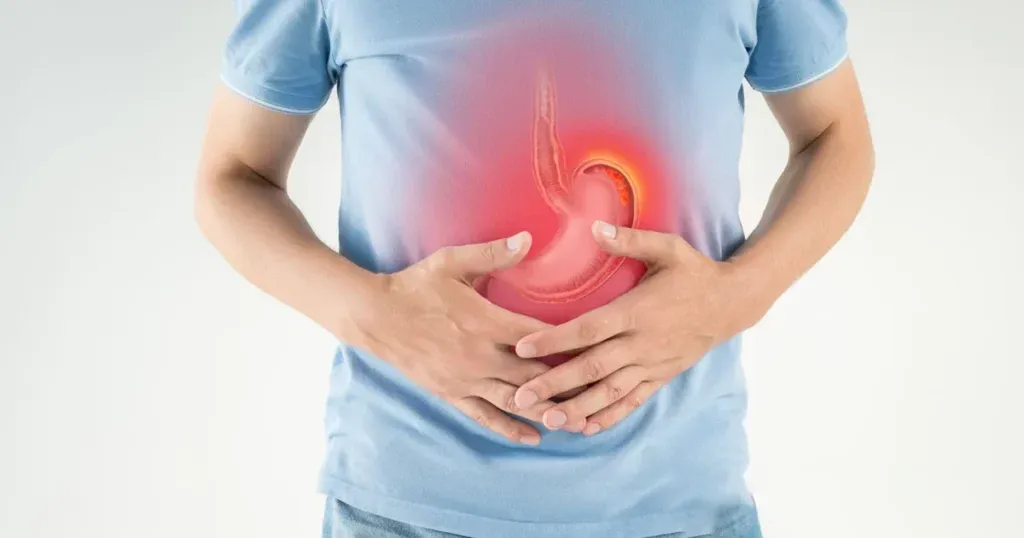
Bloating ranks among the most frustrating digestive complaints out there, affecting millions of people who deal with that uncomfortable feeling of fullness and abdominal tightness. It’s more than just a physical discomfort, it can disrupt daily activities, affect confidence, and really put a damper on quality of life. While everyone experiences occasional bloating, persistent symptoms might be your body’s way of signaling that something deeper needs attention. Here’s the encouraging part: there are plenty of natural remedies and lifestyle tweaks that can help without reaching for medication. When you understand what’s actually causing the bloating and apply targeted strategies, you’re setting yourself up for lasting relief and better digestive wellness overall. This guide walks through evidence-based natural approaches that can genuinely help combat bloating and bring comfort back to your digestive system.
Understanding the Root Causes of Bloating
Getting to the bottom of what triggers bloating in your body is the essential first step before jumping into remedies. Gas buildup in the digestive tract is usually the main offender, coming from swallowed air during eating, bacterial fermentation of food that didn’t get fully digested, or those fizzy carbonated drinks. Food intolerances, especially to lactose, fructose, and gluten, can cause significant bloating in sensitive folks whose bodies just struggle to break down these substances effectively. An imbalance in gut bacteria, known as dysbiosis, throws normal digestion off course and often leads to excessive gas production along with inflammation.
Dietary Modifications That Make a Difference
Tweaking what and how you eat stands out as one of the most powerful natural strategies for cutting down on bloating. An elimination diet can be incredibly revealing, helping pinpoint specific sensitivities that are causing your symptoms, common troublemakers include beans, lentils, cruciferous vegetables like broccoli and cabbage, dairy products, and wheat-based foods. Cutting back on high-FODMAP foods (those fermentable carbohydrates that pull water into the intestines and feed gas-producing bacteria) can dramatically improve symptoms for many people. Switching to easily digestible foods like cooked vegetables, lean proteins, rice, and bananas gives your body the nutrition it needs without overwhelming your system.
Herbal Remedies and Natural Supplements
Nature’s medicine cabinet offers numerous botanicals and compounds that have soothed digestive discomfort and bloating for centuries. Peppermint oil has shown remarkable effectiveness at relaxing the smooth muscles in your digestive tract, easing spasms and allowing trapped gas to escape more easily. Ginger brings powerful anti-inflammatory and carminative properties to the table, stimulating digestion, calming inflammation, and helping expel gas from the intestinal tract. Fennel seeds have been a go-to remedy for generations, many cultures chew them after meals because they contain compounds that relax digestive muscles and cut down on gas formation. Chamomile tea offers gentle anti-inflammatory benefits while simultaneously calming your nervous system, which matters since stress significantly impacts gut function. Digestive enzymes can give your body a helping hand in breaking down proteins, fats, and carbohydrates more efficiently, leaving less undigested food around for bacterial fermentation. When addressing digestive imbalances, professionals who need to support microbiome health often turn to a gut health supplement Probiotics work by introducing beneficial bacteria that restore balance to your gut microbiome, improve digestion, and reduce gas production over time. Apple cider vinegar, when you dilute it in water before meals, may stimulate your body’s production of digestive enzymes and help keep bloating at bay for some people.
Lifestyle Practices for Better Digestion
Beyond what you eat, certain lifestyle shifts can make a real difference in how susceptible you are to bloating and digestive discomfort. Practicing mindful eating, actually sitting down for meals, chewing thoroughly, and slowing down, lets your digestive system process food more effectively while cutting down on the amount of air you swallow. Regular physical activity, even just a gentle walk after eating, stimulates intestinal contractions that move gas through your system and keep it from getting trapped. Managing stress through meditation, deep breathing exercises, or yoga can profoundly affect digestive function since your gut and brain are intimately connected through what scientists call the gut, brain axis.
Physical Techniques for Immediate Relief
When bloating hits and you need relief fast, several physical methods can ease that uncomfortable pressure and distension. Abdominal massage using gentle circular motions in a clockwise direction follows your colon’s natural path and can encourage trapped gas to move toward elimination. Specific yoga poses, think Child’s Pose, Wind-Relieving Pose, and gentle twists, compress and release the abdomen in ways that encourage gas movement and bring genuine relief. Placing a warm heating pad or hot water bottle on your abdomen relaxes tense muscles, soothes discomfort, and improves blood flow to your digestive organs.
Conclusion
Bloating doesn’t have to be something you just accept as part of daily life, not when these natural, evidence-based strategies can provide real relief. Through careful observation and a bit of experimentation, you can understand your unique triggers and develop a personalized approach that actually addresses the root causes of digestive discomfort rather than just covering up symptoms. The real magic happens when you combine dietary modifications with herbal remedies, lifestyle practices, and physical techniques, creating a comprehensive framework for achieving lasting digestive comfort and better overall health. Keep in mind that meaningful changes take time, so patience with your body as you transition to new habits is key, give natural remedies adequate time to do their work.