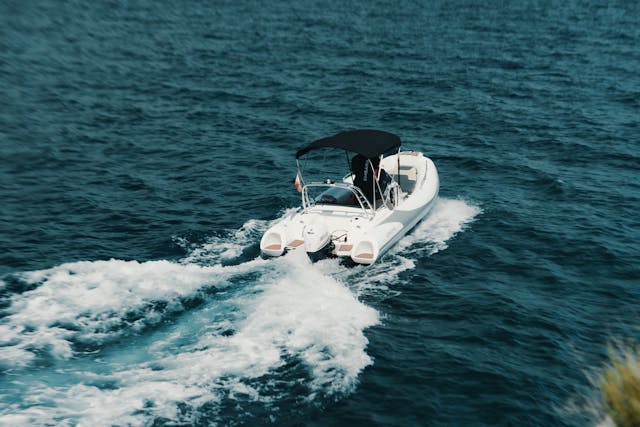
Selecting the right marine engine? It’s one of those decisions that’ll keep you up at night, whether you’re outfitting a brand-new vessel or breathing fresh life into an old favorite. Think of your marine engine as your boat’s beating heart. It determines everything from how fast you’ll zip across the water to how much you’ll spend at the fuel dock, and ultimately, whether you’ll make it back to shore without calling for a tow. Today’s market throws countless options at you, different manufacturers, engine types, specifications that might as well be written in ancient Greek.
Understanding Your Vessel’s Power Requirements
Getting the power equation right starts with really knowing your boat. Your hull design, displacement, length, and beam width aren’t just numbers on a spec sheet, they’re telling you exactly how much muscle you need under the deck. Here’s where many boat owners stumble: they either go overboard with horsepower (thinking bigger is always better) or skimp on power and end up with a sluggish, inefficient ride. Neither scenario ends well.
Evaluating Engine Types and Fuel Options
Now that you’ve nailed down your power needs, it’s time to dive into the engine-type debate. Diesel engines are the workhorses of the marine world, they sip fuel efficiently, run forever when maintained properly, and deliver that low-end torque that displacement cruisers and commercial operators absolutely love. Sure, you’ll pay more upfront, and the maintenance procedures can get a bit involved, but over the long haul? They typically cost less per operating hour. Gasoline engines take a different approach.
Assessing Brand Reputation and Support Infrastructure
Here’s where things get practical in a hurry. You can have the most powerful, efficient engine on paper, but if you can’t get it serviced or find parts when something breaks, you’re dead in the water, literally. Start by looking at manufacturers with solid marine pedigrees, companies that have been building engines for boats long enough to work out the kinks. A comprehensive warranty tells you something important: the manufacturer believes in what they’re selling and will stand behind it when things go sideways. But warranty coverage is just the beginning. Can you actually find a qualified technician who knows your engine when you need one? Research whether authorized service centers exist within reasonable striking distance of your home port and the areas where you cruise. Owner forums and marine industry publications become invaluable here, they’ll give you the unvarnished truth about reliability, common headaches, and whether owners are happy or constantly griping. For professionals who need to test marine propulsion systems in demanding commercial applications, Scania engines provide proven performance and durability. Look for manufacturers that stay current with technological advances and emission standards, it signals they’re in this for the long haul. Companies with deep marine roots often incorporate refinements that come from decades of customer feedback and continuous tweaking. Don’t overlook whether they provide solid technical documentation, training resources, and responsive customer support channels that’ll be there when you’re scratching your head over a problem at 2 AM.
Installation and Integration Considerations
Even the finest engine becomes a headache if it’s not installed correctly. This isn’t a DIY weekend project unless you really know what you’re doing, professional installation by certified marine technicians makes all the difference. Proper engine alignment, shaft coupling, cooling system setup, and electrical integration directly determine whether your engine runs smoothly or becomes a constant source of frustration. The mounting system needs to handle vibration and torque while keeping everything perfectly aligned, even when you’re bouncing through choppy seas.
Lifecycle Costs and Maintenance Planning
Here’s the uncomfortable truth that separates smart buyers from those who just look at price tags: the sticker price is only the opening act. Fuel consumption will likely be your biggest ongoing expense, so running efficiency calculations based on your typical usage patterns becomes essential. Maintenance schedules vary wildly between engine types and manufacturers, and those routine service intervals add up faster than you’d think. Diesel engines generally need more frequent oil changes and pricier service parts, but their extended lifespan and superior fuel economy often mean lower per-hour costs when you do the math.
Conclusion
Choosing the right marine engine doesn’t have to feel like navigating through fog without instruments. Follow these three fundamental steps, understanding your power requirements, evaluating engine types and fuel options, and assessing manufacturer reputation and support, and you’ll establish a solid foundation for years of reliable, efficient time on the water. Balance your performance needs against your actual operational patterns, budget realities, and the support infrastructure you’ll depend on when things get complicated. Remember this: the cheapest option up front rarely proves most economical over time, and that fire-breathing monster with eye-watering horsepower might not suit how you actually use your boat.