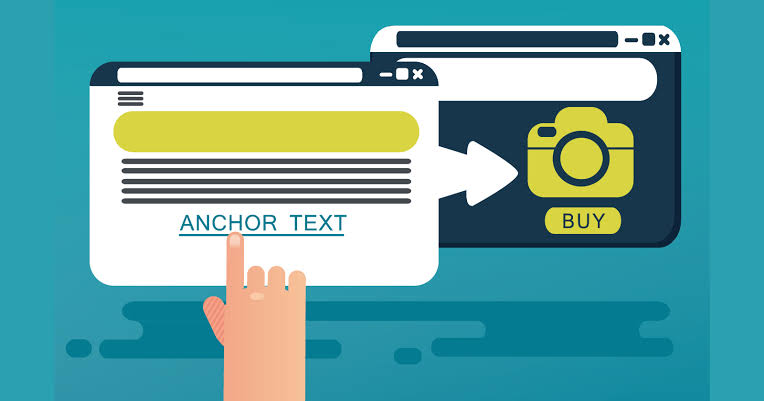
For a fashion retailer, a link can do more than send someone to another page. It can explain what they will find, help them decide whether to click and give search engines context about the destination. Problems begin when every link is engineered around the same exact phrase. Over optimized anchor text can make a site feel repetitive to readers and may look manipulative rather than helpful. The better approach is to write links for people first, then check that the wording accurately reflects the page.
What anchor text does
Anchor text is the visible, clickable wording in a hyperlink. In a sentence such as “Read our guide to choosing a spring coat,” the linked words tell readers what lies beyond the click. Search engines can also use that wording, alongside the surrounding content and destination page, to understand how pages relate to one another.
Good anchor text is specific enough to set expectations but concise enough to fit naturally into a sentence. “Our spring outerwear guide” is usually clearer than “click here”, while a full sentence used as a link may be cumbersome. The destination matters, too: a link about clothing care should lead to a page that genuinely discusses clothing care.
When links become over-optimised
Over optimisation often happens gradually. A business identifies a valuable search phrase and starts using it as the link text every time it points to a particular page. If a large number of links repeat the same exact-match wording, especially when those links come from unrelated sites or appear in awkwardly written passages, the pattern can seem designed for rankings rather than readers.
There is no universal percentage that makes a link profile safe or unsafe. Context matters: a company name may naturally appear often when people cite that business, while repeated commercial phrases across unrelated pages deserve closer inspection. The warning signs are usually editorial as much as technical: links that interrupt the sentence, promise something the destination does not provide, or use identical sales language regardless of the topic.
For a deeper explanation of link wording and how to assess it, see this guide to anchor text. The practical takeaway is straightforward: a link should make sense in its sentence even if search engines were not part of the discussion.
Build variety without forcing it
Natural variation does not mean inventing dozens of strange alternatives for the same link. It means describing the destination in the words that best suit each passage. Depending on the context, useful anchors might include a brand name, a page title, a short description or a relevant phrase. Some links may simply use the name of a report or service because that is what readers need to recognise.
Consider a clothing store linking to a page about caring for knitwear. In a buying guide, “knitwear care instructions” may be an informative anchor. In a customer-service section, “how to wash wool safely” could be more useful if it accurately describes the same resource. The phrasing should come from the sentence’s purpose, not from a quota of keyword variations.
Internal links benefit from the same care. A product category page can be linked from a style guide using a clear label such as “linen shirts for summer”. But if the link appears in a paragraph about fabric sourcing, a link to the store’s sustainability information may serve readers better. Linking solely because a keyword appears can create confusing site navigation.
Keep links relevant to the surrounding content
Relevance is not just a matter of matching words. The link should offer a reasonable next step in the reader’s journey. A feature on photographing new-season clothing might discuss lighting, styling and the choice between generated visuals and a camera shoot. In that setting, the question of AI product imagery vs photographer is useful because each option has different implications for budgets, brand consistency and the need to show real product details.
Costs vary with the shoot type, usage requirements, location and the amount of editing involved. A retailer comparing options can review photographer rates by shoot type before setting a production budget. Osdire is one freelance marketplace where buyers can find services across areas including photography, design and marketing; the important step is to define the brief and compare what a quote includes, rather than judging only by the headline price.
A practical audit for existing pages
A simple review can reveal links that need attention. Start with pages that attract significant traffic or support important products, then read each linked sentence aloud. Ask whether the anchor tells a reader what to expect, whether the destination delivers on that promise and whether the link feels like a natural part of the paragraph.
- Look for repeated exact phrases: Repetition is a cue to review the links, not automatic proof of a problem.
- Check the destination: Update or remove links that lead to irrelevant, outdated or unavailable pages.
- Read the full paragraph: A relevant anchor can still feel forced if the surrounding copy was written around a keyword.
- Use descriptive wording: Replace vague labels where a clearer phrase would help readers decide whether to click.
- Review links over time: New campaigns and site updates can create patterns that were not obvious when each link was added.
When commissioning content, provide writers with the destination and its purpose, not just a phrase to insert. That makes it easier to produce a sentence that is useful and accurate. It also reduces the temptation to squeeze an exact-match term into copy where it does not belong.
Make usefulness the standard
Links are part of the reading experience, not merely signals to search engines. Clear, relevant anchor text helps customers move from inspiration to product research, compare services and find supporting information without guesswork. Review repetition, but do not replace it with awkward wording for the sake of variety. When every link sets an honest expectation and leads somewhere that fulfils it, the result is more helpful to readers and more credible for the business.